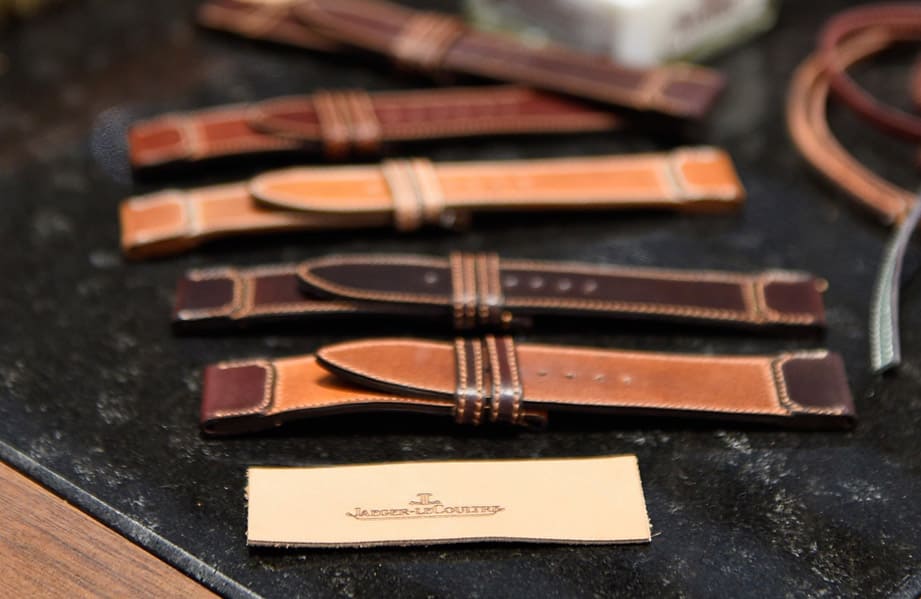
The strap is the bridge that connects the wrist to the wristwatch, and it is also the component with the highest wear rate of the entire watch. Just like the movement requires regular maintenance, straps of different materials also need to be carefully cared for in order to retain their texture and delay aging. Whether it’s the original steel strap, rubber sports strap, or retro leather strap, understanding the basic maintenance knowledge and replacement methods can not only ensure the comfort of wearing but also save the expense of frequent strap replacements.
This strap maintenance & replacement guide uses plain and practical language to sort out the maintenance key points of three mainstream strap types, teaching you how to do strap maintenance easily.
Why is maintaining the strap so important?

Many watch owners focus all their attention on the movement maintenance, but neglect the strap. The strap constantly comes into contact with sweat from the skin, skincare products, and dust, enduring bending and friction day after day. Leather will gradually harden and crack, rubber will age and become sticky over time, and the gaps in the metal links will accumulate dirt. Even if the movement is in good condition, a damaged or dirty strap will significantly reduce the wearing experience, and even scratch the case. Properly maintaining the strap can not only maintain the appearance, extend the service life, but also ensure a comfortable and snug wearing experience every time the watch is put on.
How often should the watch strap be replaced?
The replacement period depends on the material, wearing frequency and usage environment. Leather straps have the shortest lifespan. If worn frequently on a daily basis, they will generally start to age after 1 to 2 years; if there is little sweating and proper maintenance is done, they can last up to 3 years. Rubber straps typically last about 3 to 5 years. Once exposed to sunscreen or prolonged sunlight, the aging process will accelerate significantly. Metal straps are the most durable. With proper maintenance, they can be used for over 10 years, but the chain links and sleeves will gradually wear out and need to be checked regularly.
If the watch is worn frequently on a daily basis, if there is a lot of sweating during exercise, or if it is frequently exposed to seawater and various chemicals, it will age more quickly and shorten the lifespan of the strap. On the contrary, when not in use, storing the wristwatch in a cool and dry environment can effectively extend its service life.
Daily Habits for Maintaining a Healthy Strap

Good care begins with daily wearing habits.
Leather straps are soft and elegant, but they are highly sensitive to sweat and moisture. Chemicals such as perfume, hand lotion, and disinfectant can also damage the leather surface. Avoid wearing them when sweating heavily; if they get wet or damp, gently blot with a soft, dry cloth immediately—never expose to direct sunlight or use hot air drying. Store in a well-ventilated area, and apply leather conditioner sparingly. Avoid frequent oiling, as excess oil attracts dust and promotes mold growth.
The stainless steel metal watch strap can also corrode and rust. Sweat stains are prone to accumulate in the gaps of the watch band. For high-end solid watch straps, the narrow gaps make this problem more likely to occur. Rusting can turn the cuff yellow. If the rusting worsens, it can cause the protruding pins to fall off, the watch case and strap to separate, and the buckle to malfunction. The pins may even scratch the skin. If there is a problem, please stop wearing the watch and contact the authorized service center of Seiko for repair. Daily, use a soft cloth to wipe away the sweat and moisture on the strap. For obvious stains, you can use neutral detergent to clean them. For stubborn stains, use a toothbrush to clean the gaps of the watch band. Before cleaning, wrap the crown to prevent water from entering. After cleaning, make sure to thoroughly dry the gaps of the strap and the watch.
Rubber straps boast great waterproofing alongside excellent suppleness and stretch, which makes them a perfect match for sports watches. Still, prolonged exposure to intense sunlight and grease speeds up material degradation. After workouts, rinse the strap with fresh water and let it fully dry. Keep it away from direct sunlight, and avoid leaving it stretched tightly for extended periods. A tacky surface is a telltale sign of rubber ageing. Cleaning will not reverse this condition, so you’ll need a replacement strap.
When should you replace your watch strap?

Most strap damage shows early signs, and complete breakage often happens suddenly. Once the leather strap develops cracks, the surface peels off, or the bent part turns white, it indicates that it is time to replace it. If the rubber strap feels sticky, develops minor cracks, or loses its elasticity, it is showing signs of aging. For the metal strap, if the links become significantly loose and the pins shake, it should be sent for inspection immediately to prevent the strap from suddenly breaking and causing the watch to fall and get damaged.
If the leather strap gets damp and hard with a strong unpleasant smell, the rubber strap becomes sticky, or the steel strap keeps rusting even after repeated cleaning, then you should stop wearing it. Damaged straps can easily cause the watch to fall off, and subsequent expensive maintenance costs for the movement will be incurred. Therefore, if you notice any signs of wear and tear, it is recommended to replace the strap immediately to ensure safety during use.
Changing the watch strap: What happens during installation and removal
Replacing the strap is not just a matter of simply putting on a new one. Before the replacement, it is necessary to first confirm the width of the lugs. If the size does not match, the strap cannot be installed. Most straps are fixed by the lug pins. The lug pins are pressed down with a lug pin presser to hold the lug spring protrusions. The old strap is removed from the lug slot, and then the new lug is aligned and pressed into the slot.
For metal steel straps, some styles use screws and pins. Special small presses are required for disassembly and assembly. During the disassembly and assembly process, soft cloth should be padded to prevent the tools from slipping and scratching the case. Small screws and sleeves should be properly stored to avoid loss. When replacing the strap, it is recommended to replace the new lug at the same time. The old lug, which has aged and has insufficient elasticity, may have a risk of the watch falling off.
Minimize Damage: How to Prolong Your Watch Bracelet’s Service Life
A few simple habits can effectively delay aging. Before wearing the watch, wait until the perfume and hand cream are completely dry; remove the watch during exercise or physical labor. Try not to wear the leather bracelet in a hot and humid environment for a long time; keep the rubber bracelet away from sunscreen and essential oils; if the metal bracelet comes into contact with seawater, rinse and dry it promptly.
If you have multiple bracelets, you can alternate wearing them and give each one a “rest” period. This is especially effective for delicate leather bracelets.
Storage: How to Properly Store Spare Watch Straps

Properly storing spare bracelets can delay aging and prevent scratches. Place the unused bracelets separately in a soft cloth bag, and do not stack them together with the watch cases or metal objects. The storage environment for leather bracelets needs to be dry, with a humidity level of 40%–50%. Keep them away from damp and hot environments to prevent mold. For rubber bracelets, avoid direct sunlight and do not squeeze or bend them for a long time, as this may leave permanent creases. Before storing metal bands, it is best to clean them thoroughly and dry them completely before storing.
General Replacement Tips
The core parameter is the width of the lugs (in mm). When buying a watch strap, make sure to confirm this number first. If the size is incorrect, the strap won’t fit.
Suggested operation: Place a soft cloth under it to prevent the lugs from slipping and scratching the case.
The lugs are consumable parts. After several installations and disassemblies, their elasticity will decrease. When replacing the strap, you can replace the new lugs conveniently to avoid the risk of losing the watch.
Perform the disassembly and assembly actions gently. Forceful pulling can easily leave unsightly scratches on the lugs.
Conclusion: Choosing the right care method will enable the watch strap to accompany your wristwatch for a longer time.
The leather strap has an attractive appearance, but it is delicate and requires protection from sweat and chemicals. The metal strap is durable, but the key point is to regularly clean the gaps and keep it away from seawater and hot springs. The rubber strap is suitable for sports, but the core is to avoid light and stay away from oils. Replace it if it gets sticky.
The strap itself is a consumable item. There is no need to pursue a permanent non-breakage. By doing proper daily maintenance, you can not only extend the service life of the watch but also change different straps to give the watch a new style at any time. Whether you want to retain the texture of the original factory strap or prepare to replace it to give the watch a new style, proper care of the strap is an indispensable part of the enjoyment of wearing a watch.
